Moving On Up: Tips to Maximize Your Tax Credits
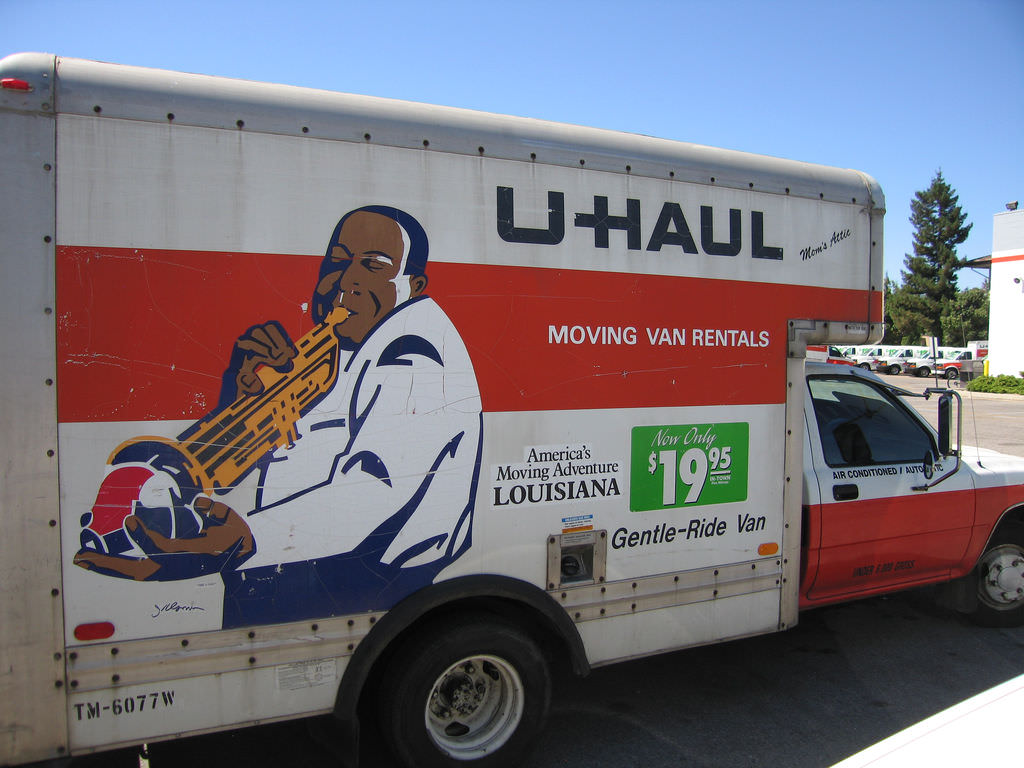
Moving Day
No one really likes moving: it’s costly, stressful, and generally a pain in the butt–and usually the lower back at the same time. But there’s a small light at the end of that tunnel: there are some tax benefits available to movers. Two things worth noting: the following presupposes that you’re moving for a new job; costs incurred for moving within the same town do not qualify for a deduction.
There are a few requirements which must be met:
Distance Requirements
The distance between your new job and your former home must be at least 50 miles farther than your previous employer is from that home. The IRS requires you to use the shortest commutable routes between two locations to judge this distance.
Time Requirements
You must work full-time for a minimum of 39 weeks during your initial 12 months, which starts on the day you arrive at your new location. If the 39 weeks are not consecutive you can still satisfy this requirement, whether it’s for one or multiple employers.
Okay, I Qualify: So What Is Deductible?
You may deduct any reasonable expense that you incur during the transport of your personal and household items to the new home.
This includes the cost of renting a storage unit (up to 30 days) if you are unable to immediately move your stuff into the new space. If you drive your personal vehicle, you are also able to include gas, oil, parking fees, and any road tolls. If you’re moving a long distance, you can deduct airfare, train tickets, or bus fare.
Claiming the Moving Expenses Deduction
Because of the required 12-month period, most taxpayers are unable to satisfy the time requirements until the following tax year. However, the IRS permits you to claim the deduction in the year you move. Should you not satisfy all requirements at the end of the 12-month period, you must reverse the deduction.
Image credit: hjl


