Using Your Tax Refund for Short and Long Term Goals
Most Americans look forward to receiving their tax refunds. It helps families get caught up on bills, make improvements on their home or set money aside for savings. It is a good idea to get a sense of what goals you’d like to achieve with your refund before it arrives.
Emergency Fund
Having an emergency fund is important. It is ideal to have enough in your emergency fund to support your household entirely for a period of 3 to 5 months. In the event of a major family tragedy, job loss or major illness, these funds will come in handy.
This is seen as a long-term goal because it takes time to build this fund and have a sufficient amount available.
Vehicle and Home Purchase
When you are planning to purchase a vehicle or a home, having a larger down payment is a good idea. Not only does it reduce the balance owed, but your payments each month will be lower. Saving your entire refund for several years may allow you to purchase a brand new vehicle for cash and have zero payment.
Business Capital
A long-term goal may be to start a new business. To do so, you need capital (money to invest). It may take 5 years of receiving tax refunds to have enough to start your business with the assistance of loans. Open a separate account for refund monies to be deposited into for this purpose.
As you assess your short and long-term goals, you can appropriate funds from your tax refunds accordingly. If you are desperate for a vacation, your tax refund can be used in a short-term perspective to achieve your goal of a vacation. Rather than spending your funds quickly, consider setting goals and using the funds for those purposes instead.
Image credit: techvibes
Don’t Be Fooled by These 5 Business Tax Myths
Tax codes are not always cut and dry. Tax code language tends to be rather confusing and leads to many misunderstandings. These misunderstandings lead to mistakes when filing business taxes.
Cash Paychecks
If you pay yourself in “company cash” rather than recording a check, you still have to pay taxes on that income. The IRS will issue an audit if it notices that you didn’t have income reported but have a large savings account balance or luxurious assets.
Extensions
Extensions are for the filing of your tax return only. Extensions on estimated tax payments are not given. This is often misinterpreted and leads to business owners having to pay fees and penalties.
Deadlines
Typically, the deadline for filing your business tax return is April 15th. Given the observation of Emancipation Day in 2016, the deadline for all taxpayers is April 18th. Hand deliver the return to the post office and have it postmarked in front of you to ensure it is not postmarked late if you plan to paper file.
Filing Statuses
Business owners that are married, and individuals as well, often file a joint return. This is not always the best idea. Have your tax preparer complete returns for joint filing status and married filing separately. Determine which has the best income for your situation and file that way.
Deductions
Deductions for meals and entertainment expenses are limited to 50-percent off the amount actually spent. A detailed ledger of expenses and the receipts for them must be kept. The location of the meal, the cost and reason for the meal must be listed.
Much confusion exists about tax laws. Clear, concise explanations keep taxpayers “in-the-loop” and prevent mistakes when filing.
Image credit: Accu-Tax Financial Services
The Basics of Timing IRA Withdrawals
Individual retirement accounts (IRA) are mechanisms to help you maintain a household and stay afloat upon retirement. A traditional IRA will allow for a tax deduction to be taken when funds are deposited into them. Taxes are paid when withdrawals are made.
Penalties from Early Withdrawals
Circumstances may arise where you find it necessary to borrow from your IRA early. There are penalties associated with an early withdrawal. The standard penalty, imposed by the federal government, is 10-percent for early withdrawals taken before age 59 and a half. This is not the only penalty as it comes on top of income taxes paid on said withdrawal.
Required Minimum Withdrawals
At age 70 and a half, you are required to make a withdrawal if you have a traditional IRA. Required minimum distributions (RMD) must be made annually. Penalties of 50-percent of the required RMD amount can be imposed if you fail to make the annual withdrawal.
IRA Withdrawals Can Affect Medicare Premiums
It was modified in 2015, that persons with more than $85,000 income per year will pay increased premiums for Medicare Part B insurance. Prescription drug coverage also costs more. The increase applies to married couples grossing $170,000 or more per year.
Bottom Line
You can avoid having to pay some penalties for early withdrawals. Terminal illness and having to pay for health insurance coverage during periods of unemployment do allow for penalty-free withdrawals. Other life altering situations also fall into that category. It is ideal to be fully aware of your IRAs rules to avoid penalties altogether.
Image credit: Got Credit
Do You Have to Pay Taxes on Money Obtained via Crowdfunding?
People are now using crowdfunding for a number of different reasons. Crowdfunding is used for everything from getting new inventions on the market to getting money donations to go on vacation. Here are the tax rules which govern taxes on money raised via crowdfunding avenues.
Government Lags Behind
The government is not yet up to speed on dealing with crowdfunding income. There have been no new laws via the federal government on money collected through donation. What this means is that money should be treated like gifts or income depending on your specific crowdfunding campaign.
Gift Income
If you held a campaign to help pay for something such as medical expenses or a family vacation, the money is not typically considered taxable. Money that is meant to be a gift is only taxed to the giver when it reaches $14,000 per year. For campaigns that ask for gift donations, you are most likely in the clear.
Starting a Business
If you are a part of a Kickstarter campaign that is asking for donations in order to start a business and you are not offering equity to the donators, this is considered taxable income in the form of capital equity. This will need to be reported on your taxes and you will need to pay taxes on all of the money you receive. If you are offering equity to each person that donates, you will not incur this expense. Be sure to keep track of each donation and what is offered to determine your tax responsibilities for each campaign that you run.
Image credit: LendingMemo.com
What Does Turbo Tax Really Cost?
If you want to fill out your taxes efficiently, you may be looking for a low cost option. Many people prefer to fill out taxes online if their finances are simple and they have received all of their income forms. Turbo Tax is one of the most popular online methods for filing taxes. Each year, you will see commercials about how easy and cheap it is. Find out the real costs of filing through Turbo Tax.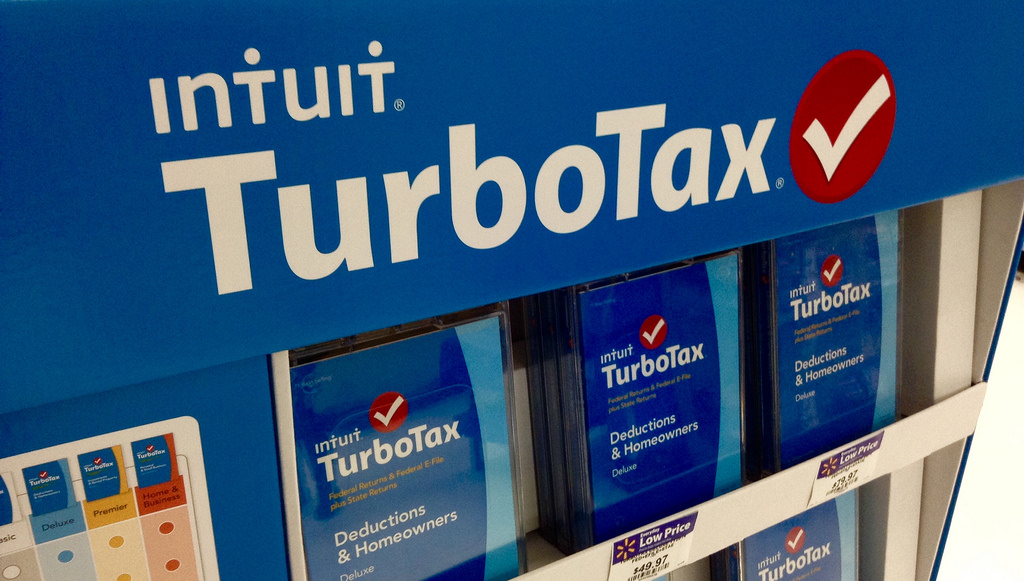
Personal Tax Cost
Filing a federal tax return with turbo tax is mostly quick and easy. It guides you through all the questions on a federal tax form and even helps you pick out the correct form. Filling out a 1040EZ or 1040A form will be easy and free to file through Turbo Tax. If you want to go with the deluxe edition that helps to figure out your write offs, it will cost $34.99 to file federal taxes.
Business Costs
Business owners will pay more than everyone else due to the complexity of their income taxes. The cost for business owners is $74.99 for the Turbo Tax software and filing a federal return. If you are self-employed, you may wish to go through the personal Turbo Tax rather than business option if your tax situation allows it.
State Tax Return
The one place where everyone will receive a cost is with the state returns. State returns cost $19.99 for Turbo Tax customers, including those who filed their federal forms for free. Be sure to look for other methods for state returns if you are looking for free options.
Image credit: Mike Mozart
College Related Expenses to Write Off
 If you are a college student or the parent of a college student, you know that college can be expensive and you want to do everything in your power to get some money back when tax time rolls around. The good news is there are quite a few college related expenses that can be written off. This article is going to cover exactly what they are.
Tuition and Fees Deduction
If you are a college student or have a dependent that is a college student, taking the tuition and fees deduction can be beneficial to you. This deduction allows you to deduct up to $4,000 off your taxable income. However, if you are married (even if you file separately), or if you can be claimed as a dependent by another taxpayer then you are not eligible to take advantage of this deduction.
Student Loan Interest Deduction
This is a deduction that many students and parents are not aware of. This allows you to deduct the personal interest that you pay on your loans. However, there are specific requirements that have to be met. If you meet them, you can deduct as much as $2,500.
Check out our Redmond CPA blog for more articles on tax topics!

Business Deduction
If you are an employee and itemize your deductions, you may qualify for the business deduction. This deduction is for those who are going back to school for work related reasons. However, you have to make sure that what you are deducting is acceptable according to the Qualified Work Related Education guidelines.
Closing Thoughts
There are various deductions available to college students and their parents. These are just a few of them and if you qualify, you could potentially deduct thousands of dollars.
Are you looking for a Bellevue CPA? We are a great choice! Give us a call at (425) 483-6600!
Cash vs Accrual Accounting: How It Affects You During Tax Season

When it comes to businesses accounting methods, they have the option of going with the cash method or the accrual method. Both methods are acceptable yet they both affect you differently when it comes time to file your taxes.
The Cash Method
Most small businesses use the cash method. This method means they do not count the income until the money has actually been received and they do not document expenses until they have been paid.
The Accrual Method
The accrual method means that you document income when an order is placed and you document expenses when a service is purchased. You do not have to wait for the money to be paid in order for it to be documented in your finances. When using the accrual method it can be hard to document when a sale or purchase has been made.
Which Method to Use
If you have a small business that makes less than $5 million annually, you can go with either method. However, if your business makes more than $5 million annually or you have more than $1 million in inventory annually you have to choose the accrual method.
How Taxes Work
Regardless of which method you are using, you have to only document the sales and expenses that took place in the current tax year. Therefore, when using the cash method you would not be able to claim everything because they can only be documented when money exchanges hands. However, with the occur method you would be able to claim everything since you record your transactions when they occur.
Remember we are Bellevue CPAs and a Redmond CPA firm!


