Why Dying Without a Will Doesn’t Make Taxes Disappear
Death does not automatically void your tax liability. There are still taxes associated with your time on earth in the current tax year. The task of filing your return is put on your next-of-kin since you are no longer present to file it yourself.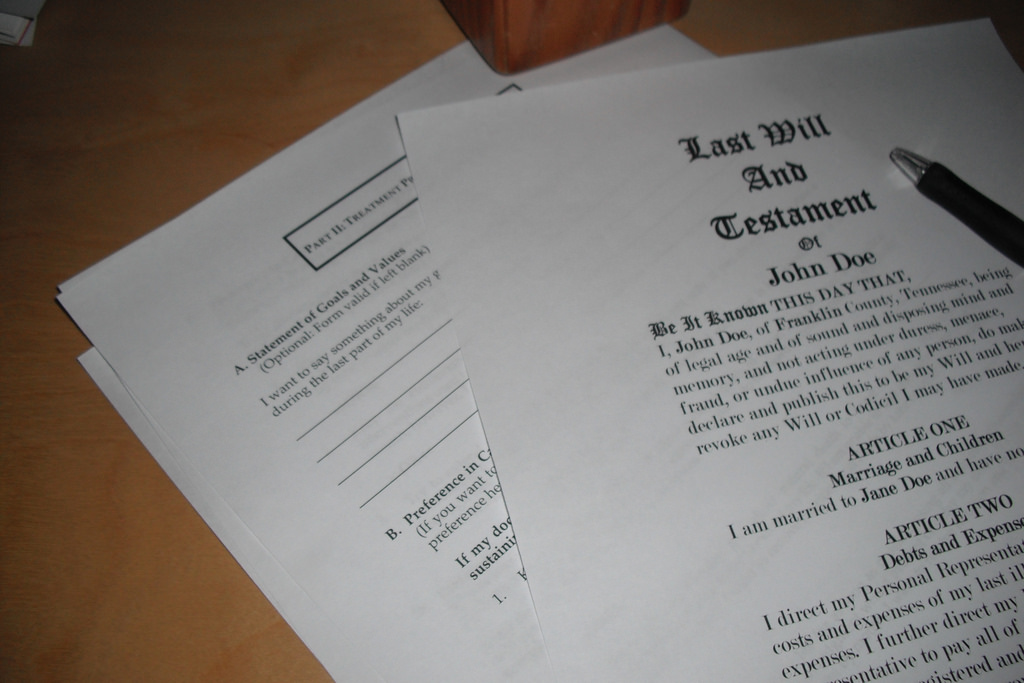
Personal Income Tax
If you had taxable income in the year of your death, a tax return must still be filed. It may result in a refund issued, which would have to be handled by your next-of-kin. When filing the return, it is also best to include a copy of the death certificate as proof, since the government will ask for it anyway.
Capital Gains and Losses
Businessmen and women who have investments, stocks and mutual funds may experience capital gains and losses. If these investments (assets) are not assigned to a family member, you are still responsible for the taxes on them, even though you are deceased. It is a good idea to gift the investment to a family member with the stipulation that they take ownership upon your passing only.
Estate Taxes
Your estate, meaning your home, assets and verifiable available monies are taxable. Most families hold estate sales and auctions. The property still incurs property tax, vehicles still have registration costs and properties still have values.
Bottom Line
Even upon your death, taxes are still required to be filed. Some matters, such as an estate which is questioned in probate court, can take years to settle. It is always a good idea to have a will in place. If you do not have a formal will, at least have something written down that explains how you intend to disburse your possessions following your death.
Image credit: Ken Mayer


