Is There Tax Relief for Disaster Victims?
There are multiple tax relief funds available for victims of disasters. In 2016, with the large number of floods, there are various states offering tax credits to those who incurred any physical damages to themselves or their assets as a consequence of these natural disasters.
Which Taxpayers Qualify
If an area qualifies for tax relief due to a disaster, a taxpayer doesn’t necessarily have to be in the federally declared disaster area in order to be considered for relief. The IRS bases their consideration on who was “affected” by the storm by looking at all records associated with the filing and payment deadline postponed during the relief period. People who are affected can be a business entity, sole proprietor, individual or a shareholder in an S corporation.
Search the IRS Website
The IRS posts all of their natural relief tax credits online. If a recent natural disaster occurred in your area and you were near a documented relief area, you may be qualified for a tax credit. Under law, the IRS usually posts all the requirements that need to be met when filing a disaster-related casualty loss on your tax returns.
If you were affected by a natural disaster, keep yourself update with the IRS website until you get your taxes back. Hiring a tax professional could help with providing all the necessary documents and filing of forms to get your taxes expedited back to you.
Image credit: militarymark2007
The Most Outrageous Excuses for Not Filing Taxes
So many people feel that they have a good excuse for not filing their taxes. However, the Internal Revenue Service (IRS) doesn’t feel the same way and considers it to be tax fraud. In fact, they prosecute up to 75% of all their tax fraud cases annually. So here are some excuses that you may feel are legitimate, but are really outrageous excuses to the IRS for not filing your taxes.
- You Think It’s Voluntary
Taxes are not voluntary. Many people believe that because the Form 1040 return states that the tax system is voluntary, it means they don’t have to file for federal taxes. The IRS says the voluntary status of it is from allowing taxpayers to determine and file their own taxes according to the forms without the IRS doing it manually. However, filing the actual forms is not voluntary.
- You Don’t Owe if You Don’t File
Just because you refuse to file, doesn’t mean you don’t owe the IRS. If you decide not to file, you could pay more in restitution fees and you’ll have a Tax Fraud on your permanent record.
- You Didn’t Receive a W2 Form
Some people don’t file because they can’t contact of their employer to send their W2. The IRS has procedures for people who can’t get a physical copy of their W2, so it’s no excuse to not file.
- You Believe the IRS Will File the Return
There’s a tax code that says the IRS is required to file returns for taxpayers who haven’t filed by a certain date. The IRS says it’s a flawed perception of the code that leaves people facing criminal and civil charges.
Don’t let yourself fall into believing any of these excuses. Failure to file your taxes, especially if you owe money, can lead to both civil and criminal penalties.
Image credit: Wellness GM
What Happens if You File a False Tax Return?
Filing a false tax return leads to serious consequences and it’s something that is commonly caught by the IRS. When filing a fraudulent tax return, fines issued can extend up to $250,000 for individuals and up to $500,000 for a corporation. This can also be accompanied by a 3 year prison sentence if prosecuted as a high dollar tax fraud case.
Tax Fraud
One of two things will happen if you are facing suspicion of tax fraud. If the investigation is dealing with less than $100,000, the IRS will typically issue a letter in the mail and ask for repayment immediately. You can either oblige and pay the balance in full, setup a payment plan with the IRS, or simply ignore it.
Ignoring the letter will lead to the IRS initiating a formal investigation. Prosecution will then follow should the IRS find sufficient grounds to do so.
If the IRS finds tax fraud to be well over $100,000, the IRS will immediately issue a formal investigation and you will most likely be contacted by two IRS agents who will question you. It’s best to hold off on answering all questions and getting an attorney present immediately to finish the questioning with the IRS.
Let your attorney know if you were guilty of the tax fraud so they can work out a plea bargain with the IRS to minimize the prison sentence and associated fees. If you didn’t commit the crime, present all your documentation to your attorney so they can get your investigation situated in the court with relevant information and paperwork.
Be careful when dealing with falsified tax returns because the consequences can lead to a ruined reputation.
Image credit: Investment Zen
Three of the Most Onerous Taxes
Tax rates across the board can fluctuate, making some taxes rather high. Although you may experience having to pay a lot of tax in one area, you may be able to offset that with credits, deductions, and reportable losses. It is important to know where your tax will be high and how to reduce your liability.
Estate Taxes
Estates are taxed at a rate of 40 percent. There is an exemption for larger, more valuable estates. If your estate is worth $5.45 million or more, it is reduced by $5.45 million to leave the remaining amount to be taxed at the 40 percent rate.
Lottery Winnings Taxes
If you take the lump sum after winning the lottery, you already pay a huge chunk of it to taxes, 39.6 percent. The kicker here is that 25 percent of your winnings is withheld by the government for tax purposes before distribution, leaving the rest taxable when you complete your return.
Moving to Higher Income Brackets
If you change jobs or have a significant increase in income, it can change your tax bracket. Top income earners can end up in the 35 percent tax bracket before credits and deductions. Deductions reduce your taxable income and credits reduce your taxes owed dollar-for-dollar.
Final Thoughts
It is important that you pay close attention to your finances and tax withholdings. If you make a mistake, it can cost you thousands of dollars. When the above situations become a factor for you, it is ideal to hire an accountant or tax preparation specialist to help find credits and deductions to reduce your tax liability.
Image credit: Chris Potter
The Truth about People Who Don’t Pay Taxes
Though some Americans do not pay taxes, it is not at the rate some have led taxpayers to believe. Roughly 47 percent of Americans do not pay taxes, but there are legitimate reasons behind it, with the most obvious being that they do not earn enough income to file.
Republicans on State and Federal Aid Programs
It is reported that republican Americans are more likely to be on government assistance programs like food stamps and Social Security. Individuals receiving Social Security, either traditional or disability benefits, do not pay taxes. Those on food stamp programs typically do not earn enough to file a tax return.
Those who are on state aid programs do not stay there forever, in most cases. Once those Americans obtain higher paying jobs or second incomes, they start filing tax returns and paying taxes.
Students and Retirees
Students and retirees typically don’t have enough income to tax. Retirees who are on fixed incomes without investments, additional sources of income, annuities, or retirement plans are not taxed. Now, if retirees do have significant income from multiple streams of income, they must file a tax return as taxes are due on disbursement payments from individual retirement accounts, annuities, and taxes are due on capital gains.
Final Thoughts
There are wealthy Americans across all political parties who avoid paying taxes because they’ll have to pay a large amount. There are also cases where wealthy individuals obtain their wealth from illegal or quasi-legal practices, meaning that they could end up in huge financial trouble and under investigation by the IRS.
Image credit: Philip Taylor
Three of the Most Hated Taxes
Taxes are something which most people, business owners and non-business owners alike, dread completing each year. Those receiving big refunds might look forward to tax time. Some taxes seem much more unfair than others. Below is a list of three types of taxes which are generally considered among the most hated because of how unfair they are perceived to be.
Phase-Out Rules
Tax breaks, such as Child Tax Credits and education credits as examples, are subject to phase-out rules. This means that for a specific number of years or at a specific income threshold, your eligibility is lowered. These phase-outs are often disguised as tax rate hikes.
Retirement Account Accumulation Taxes
Are you aware that you have pay taxes on retirement account distributions? When you receive a required minimum distribution (RMD), you must pay taxes on the amount distributed to you. Your first RMD should be at age 70 ½.
Generation-Skipping Transfer Tax (GSTT)
The GSTT tax is collected on gifts, trusts and other large transfers of money which occur between persons who are at least one generation apart. The federal tax rate for the GSTT is 40-percent on top of gift taxes on one transfer of money. Gift taxes are also 40-percent. There are several tricky rules which require the assistance of a financial expert to decipher.
Final Thoughts
It is important to view updated tax laws regarding these three most hated taxes as regulations can change from tax year to tax year. Your tax preparation specialist should have the most updated information available on these taxes and what it could mean for your individual tax situation. Make sure that all of the information supplied to hired preparers is correct and up-to-date.
Image credit: Chris Potter
The Basics of Reporting Foreign Bank Accounts on Your Taxes
Americans with foreign bank accounts were once able to rely on secrecy with the IRS. Foreign bank secrecy was a longstanding tradition in many cultures, including the United States. Rampant offshore banking has significantly worn down this tradition and failure to report a foreign account is now considered criminal activity.
What Happened To Offshore Banking?
The IRS has sued the Swiss Global financial services company (UBS) claiming that they encourage American investors to hide income within unreported offshore accounts. After settling criminal charges, the UBS handed over around 52,000 undeclared foreign American accounts. The IRS is also beginning to target other common offshore bank sites.
What’s the Problem?
Not reporting the existence of a foreign account on your Report of Foreign Bank and Financial Account Form (FBAR) can result in serious fines and penalties. The biggest issue with the IRS is that taxes on foreign income earned with the foreign bank are not being paid. This can carry significant civil and criminal consequences leading to fines, penalties, and even jail time.
What Should I Do?
The best preemptive option is a “Voluntary Disclosure.” The IRS Voluntary Disclosure Program proposes a reduced penalty and promises no criminal prosecution. This is better than a “Quiet Disclosure” which involves amending past taxes, but still leads to criminal charges due to unpaid penalties.
Final Word
Failing to amend a rule-breaking foreign account puts you at serious risk and may subject you to severe penalties in the event of discovery. The IRS will only continue to crack down harder on foreign accounts in the future.
Image credit: Colin
The Top 5 Highest State Tax Rates
No one enjoys paying taxes. The fact that we have to pay taxes is an unfortunate reality for U.S. citizens. However, you should not pay more taxes than you are required. One way to avoid paying a lot in taxes is to live in states with low tax rates. In this article we will discuss the five states which have the highest local tax rates.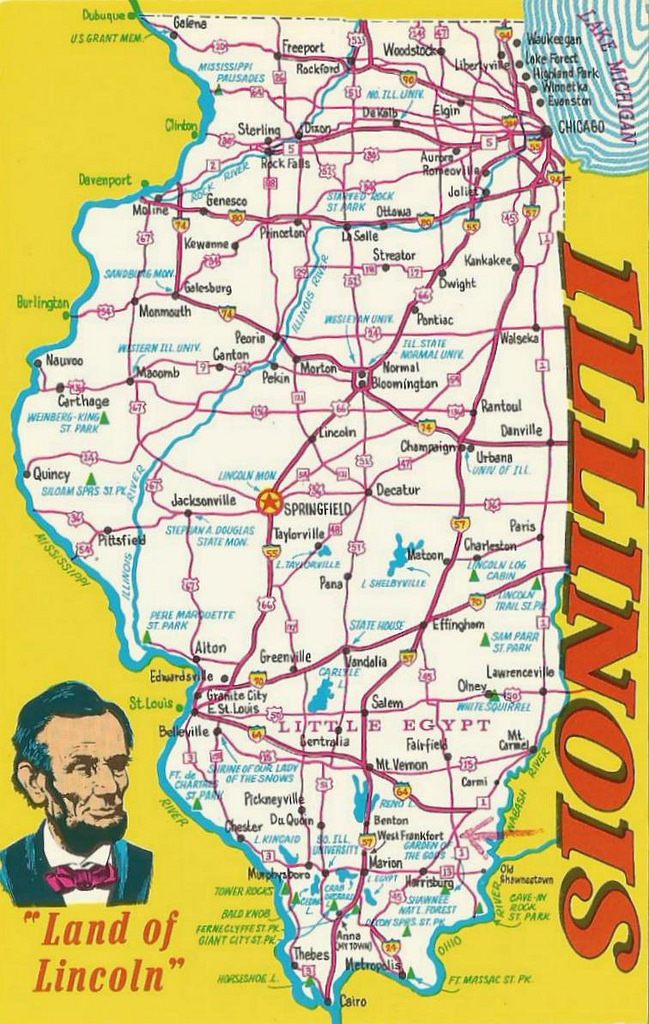
(1) New York
New York has the highest tax rate out of all the U.S. states. You have to pay big money in taxes for that Big Apple lifestyle. New York residents pay an average of $9,718 in state and local taxes. These residents pay a rate that is 39 percent higher than the national average.
(2) California
Living in a state where it supposedly never rains sounds like a great idea, right? That pleasant weather will hurt your pocketbook. California residents pay an annual average of $9,509 in local and state taxes. They pay a rate that is 36 percent higher than the national average.
(3) Nebraska
Nebraska ranks third in the nation when it comes to the amount paid for taxes. Nebraska residents pay a total of $9,450 in local and state taxes. Nebraska residents pay a rate that is 36 percent higher than the national average.
(4) Connecticut
Connecticut residents pay an annual average of $9,099 in local and state taxes. Residents of this state pay 31 percent higher than the national average. This state ranks fourth in the nation.
(5) Illinois
Residents of the state of Illinois pay an annual average of $9,006 in state and local taxes. Illinois residents pay a rate that is 29 percent higher than the national average.
Those are the states with the highest tax brackets. If you live in one of these states and you don’t like these numbers, you could move to a nearby state with a lower tax rate.
Image credit: tico_manudo
Shedding Light on the New Small Business Tax Rates
Tax laws are always changing. You need to be aware of the new tax laws so you can be sure to take advantage of new tax breaks and deductions for your business. The information included in this article will elucidate some of the new tax rules coming up.
Tax Breaks Extended
Two important tax breaks for businesses have been extended. The breaks that got extended are Section 179 and bonus depreciation. Businesses will be allowed to deduct the full price of software or equipment which was purchased or leased during the year as long as it meets qualifications. The maximum deduction allowed is $500,000.
The bonus depreciation was extended through the year 2017. It allows business owners to depreciate 50 percent of the cost of new equipment that was bought in the year 2015. Businesses will be permitted to use both of these deductions simultaneously.
These are not the only things which were extended. The work opportunity tax credit, the research and development credit, the credit for local and state sales tax, and the energy production tax credit were all extended. These extensions mean that small business owners can invest more in their business with new equipment.
The Affordable Care Act
The Affordable Care Act will affect some small business owners. It will depend mainly on the number of employees you have. If you have 51 to 99 employees, you will be responsible for providing at least 70 percent of your full time employees with health insurance. You could face a hefty fine if you don’t comply. Your tax penalty would be $2000 per employee if you don’t follow this policy.
These new rules can both help and hurt your business. The extension on the tax credits could put more money in your pocket while the health care rules could result in more paperwork. Be sure to talk to your accountant to see how these new rules will affect your business.
Image credit: Collection Agency
Should America Be Expecting a Tax Increase in the Future?
Americans should expect some sort of tax increase within the next decade. Most of this hangs in the balance of the upcoming Presidential election. Republicans wish to lower taxes and democrats wish to increase taxes, while providing other services. In the United States, personal income and corporate tax rates are expected to fluctuate, although citizens and business owners would both prefer to see them decrease.
2016 Election Dependent
Whether or not the American people are going to see an increase in taxes is heavily dependent on who becomes the nation’s next president. If a Democrat is elected, Americans can expect to see an increase in personal income and corporate taxes, although it will be higher if Bernie Sanders is elected.
Republican candidates have plans to reduce taxes. Donald Trump plans to lower personal and corporate income taxes to flat rates hovering around 15 percent. Ted Cruz and John Kasich also have plans to lower taxes.
National Debt Reduction
An increase in taxes is said to be what the nation needs to reduce the national debt. Our nation is currently sitting at a 74 percent gross domestic product. The smallest GDP recorded since WWII was 23 percent in 1974.
Bottom Line
Closing the gap on the national debt has to come from somewhere, and the government refuses to cut frivolous spending. Taxes must be raised to make up for it. Rising taxes is not simply a matter of having a larger budget for its own sake; it is about working toward reducing national debt and stabilizing the economy over time.
Image credit: Susannah Storch


